A holistic, empowering perspective.

Perimenopause has been mislabeled for decades.
Women are told it’s the beginning of “the end,”
that their bodies are breaking down,
that aging is synonymous with losing value, vitality, or femininity.

But none of that is true.

Perimenopause is not a decline — it’s a recalibration.

It is the body shifting into a new, wiser hormonal identity.
It is the nervous system asking for a gentler rhythm.
It is the metabolism rebalancing after decades of output.
It is the hormones reorganizing into a steadier, more mature pattern.

Perimenopause is not your body falling apart.
It’s your body evolving.

Let’s break it down through a holistic lens so you can understand what’s actually happening — and why it’s not something to fear.

Perimenopause Is a Transition, Not a Breakdown

The body is not shutting down — it is recalibrating decades of hormonal cycles into a new template.

Just like puberty restructures the body into fertility,
perimenopause restructures the body out of cyclic fertility
and into hormonal stability and wisdom.

The difference?

Puberty is celebrated.
Perimenopause is pathologized.

Both are transitions — not health failures.

What’s Actually Happening in Perimenopause

Let’s strip away the fear and speak plainly:

Progesterone begins to decline first.

This shifts mood, sleep, and stress resilience.

Estrogen becomes inconsistent — not low.

Spikes and dips can cause symptoms, but they are temporary fluctuations, not permanent loss.

Ovulation becomes less consistent.

This is normal, because ovulation is the center of your hormonal rhythm.

Cortisol sensitivity increases.

Your nervous system becomes louder, not weaker.

Your body becomes less forgiving of stress, poor sleep, and nutrient depletion.

Not because it’s failing —
but because it’s prioritizing energy for recalibration.

The brain rewires, too.

Neurotransmitters shift, emotional clarity sharpens, intuition deepens.

Your body is not crashing.
It’s transforming.

Why Symptoms Feel Overwhelming (and Why They’re Not a Sign of Decline)

Symptoms like:

  • anxiety
  • insomnia
  • heavier or lighter periods
  • mood swings
  • breast tenderness
  • weight shifts
  • hot flashes
  • fatigue
  • night sweats

are not signs your body is breaking.

They are signs your body is:

  • recalibrating hormones
  • adjusting mineral ratios
  • rewriting cortisol patterns
  • clearing old emotional cycles
  • recovering from decades of stress
  • building a new endocrine normal

This phase is messy, not malfunctioning.

Just like adolescence.

Perimenopause Symptoms Are Mostly Mineral + Nervous-System Imbalances

Women in perimenopause are almost always profoundly mineral depleted after decades of:

  • chronic stress
  • pregnancies
  • birth control
  • dieting
  • trauma
  • poor sleep
  • blood sugar swings
  • over-functioning
  • pushing through burnout

Perimenopause doesn’t cause depletion —
depletion makes perimenopause more symptomatic.

The root causes of intense perimenopause symptoms include:

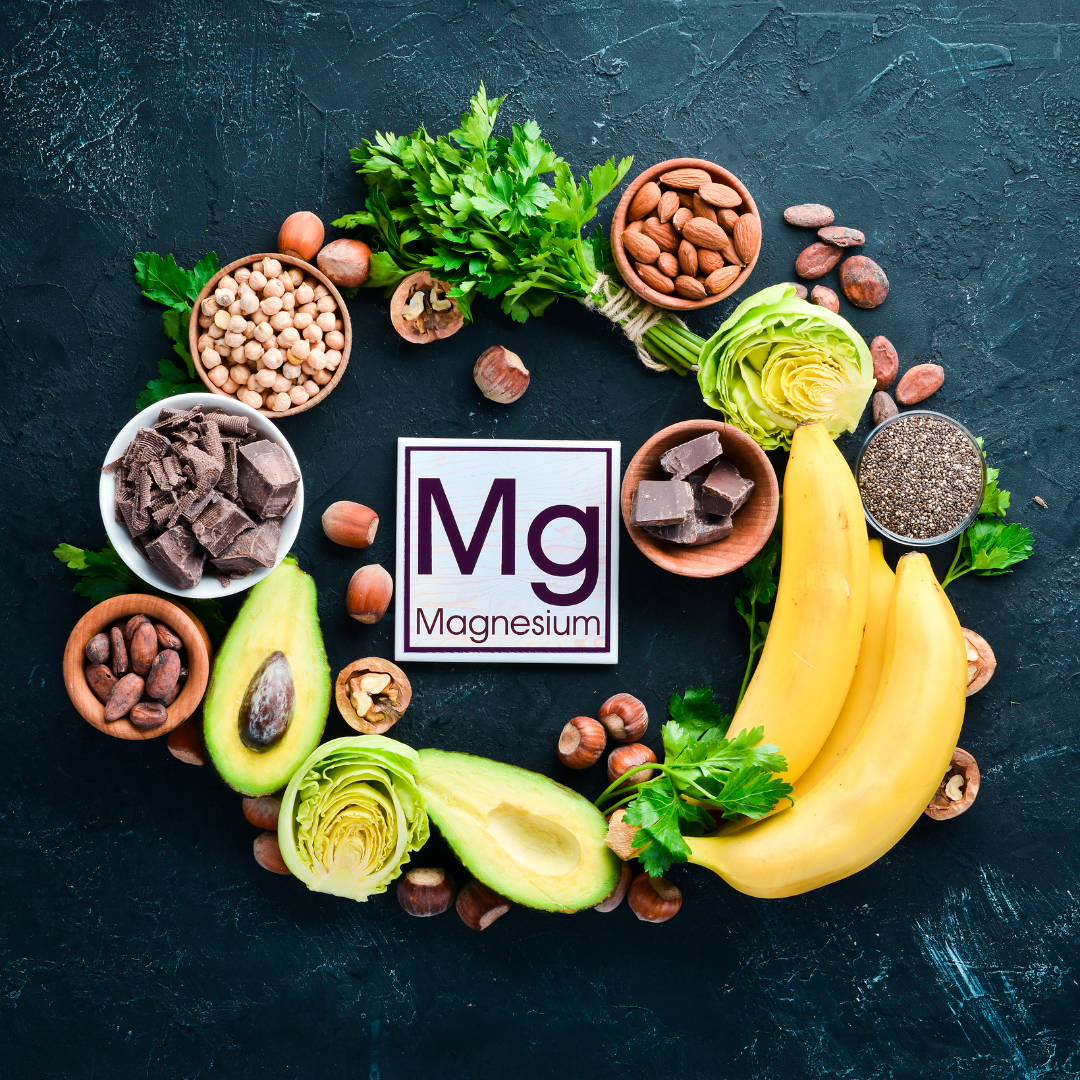
Low magnesium → anxiety, cramps, insomnia

Low sodium → low energy, irritability, mood swings

Low potassium → poor hormone receptor function

Low zinc → heavy periods, breast tenderness

Low phosphorus → exhaustion and mood decline

Copper imbalance → emotional instability + estrogen swings

Cortisol dysregulation → hot flashes, night sweats, anxiety

Blood sugar instability → irritability, weight shifts, cravings

These are not signs of hormonal failure —
they are signs of foundational imbalance.

Your Body in Perimenopause Is Asking for Different Fuel

You are not meant to live at the same pace at 45 that you did at 25.

Your body asks for:

  • gentler mornings
  • earlier nights
  • warm, nutrient-dense meals
  • stable blood sugar
  • mineral-rich hydration
  • deeper rest
  • lower cortisol
  • slower transitions
  • nervous system calm
  • emotional honesty

This is not weakness.
This is wisdom.

It is the body saying:

“I’ve carried you for decades.
Now I need you to partner with me so I can shift into the next season of your life.”

Perimenopause Is a Call to Rebalance

This is not a season of decline.
It is a season of recalibration where you reorient your body back toward:

Nourishment

No more restrictive diets.
No more starvation metabolism.

Consistency

Your nervous system craves rhythm, not chaos.

Mineral repletion

Decades of depletion catch up. Rebu ild what was lost.

Self-honoring boundaries

You are meant to say no more often.

Community + support

Isolation makes symptoms worse; connection calms the nervous system.

Whole-body repair

This is the moment your body demands you prioritize yourself.

The Energetic Shift of Perimenopause

This transition is not just hormonal —
it is emotional, spiritual, and identity-level.

Many women report:

  • heightened intuition
  • clearer understanding of what matters
  • release of old roles
  • deeper authenticity
  • less tolerance for imbalance
  • a return to self
  • a quieter nervous system
  • a new kind of power

This is not decline.
This is awakening.

And Then… Stability

After the recalibration comes:

  • steadier hormones
  • clearer emotions
  • less anxiety
  • more confidence
  • stronger boundaries
  • deeper creativity
  • stable energy
  • hormonal peace
  • the wise-woman era

Menopause is not the end.

It is an arrival.

A homecoming.

A Final Reminder

Perimenopause is not:

✖️ chaos
✖️ decline
✖️ loss
✖️ irrelevance
✖️ brokenness
✖️ failure

Perimenopause is:

✔️ recalibration
✔️ transformation
✔️ maturation
✔️ emotional clarity
✔️ metabolic rebalancing
✔️ nervous system renewal
✔️ a new hormonal identity

Your body is not falling apart.
It is reorganizing itself into a more stable, grounded, intuitive version of you.

This season is not something to fear —
it is something to understand and move through with support, nourishment, and compassion.

Holistic Living, Hormones

Stress is one of the most overlooked factors in healing. It impacts hormones, digestion, mineral absorption, detoxification, and overall well-being. When chronic stress remains high, it can slow progress, even in the face of incredible strides in other areas of health. Today, we’re sharing the journey of a client who has made leaps and bounds in her mineral balancing and detox process but continues to battle the one thing holding her back: an unrelenting stress response.

A Journey of Mineral Replenishment and Heavy Metal Detox

When we first started working with this client, her HTMA (Hair Tissue Mineral Analysis) results showed significant imbalances—low magnesium, depleted sodium and potassium, and heavy metal accumulation, including aluminum and arsenic. Her body was under high levels of stress, depleting minerals and impairing detox pathways. Over time, with a targeted remineralization plan, her body began to show signs of deep healing.

Minerals rebounding – Her magnesium, sodium, and potassium levels are improving, supporting adrenal health and cellular function.
Heavy metal detox activated – She’s successfully eliminating aluminum and arsenic, showing her body is now mobilizing stored toxins.
Energy is improving – With the right mineral support, she’s experiencing better digestion, sleep, and mental clarity.

Yet, despite all this progress, stress remains the biggest hurdle.

The Roadblock: A Constant Stress Response

One of the most fascinating things about mineral balancing is how stress can determine whether the body holds onto toxins or lets them go. Our client’s body has detox pathways open, minerals replenished, and energy improving, but her nervous system is still stuck in high alert.

Why does this matter? Chronic stress increases cortisol, depletes key minerals like magnesium and zinc, and makes it harder for the body to fully detox and heal. When stress is ongoing, the body continues to prioritize survival mode over deeper restoration.

Some of the patterns we’re seeing in her current progress:
➡️ Fluctuating sodium and potassium levels – Indicators of continued adrenal strain
➡️ Episodes of fatigue followed by high energy crashes – A sign that her nervous system is still running in overdrive
➡️ Delayed detox reactions – Her body is releasing toxins, but stress is slowing down the process of fully eliminating them

Breaking the Cycle: How She’s Working Through It

The good news? She’s aware of the impact stress has on her body and is actively working on shifting this pattern. Healing isn’t just about minerals and detoxing—it’s also about retraining the body to feel safe.

Here are some of the key strategies we’re integrating to help her overcome this stress barrier:

🌿 Nervous system regulation – Guided breathwork, grounding, and nervous system-focused herbal support to retrain the body’s response to stress.
💤 Sleep hygiene and deep rest – Creating true parasympathetic recovery time so the body has space to repair.
🍵 Adaptogenic and nervine herbs – Supporting adrenal balance with gentle, nourishing herbal allies to calm cortisol spikes.
🌀 Shifting mindset patterns – Helping her recognize subconscious stress loops and create a daily practice of release and renewal.

The Big Takeaway: Healing is Holistic

This client’s journey is proof that mineral balancing and detoxification work, but true healing requires addressing the full picture—including stress. The fact that she is eliminating aluminum and arsenic is a huge win. The progress in her energy, digestion, and adrenal support is remarkable. Now, the final piece of the puzzle is learning to fully step out of survival mode and allow her body to enter a deeper state of healing.

If you’re on a similar journey, know that stress is not just “mental”—it has a profound biochemical impact on your minerals, detox pathways, and energy. Balancing your body isn’t just about what you take—it’s about how you live, breathe, and process the world around you.

If this resonates with you, and you’re ready to break through your own stress barriers and take your healing deeper, we’d love to support you. Healing is possible—you just have to give your body permission to let go.

Let’s walk this journey together. 💛

Mindfulness

As we welcome the dawn of a new year, it’s natural to look back and reflect on the journey we’ve shared. The past year has been one of hustle, endless transitions, and adapting to new platforms and red tape. It’s been a whirlwind of change and growth—a year that demanded courage, resilience, and a steadfast commitment to our mission.

Through it all, we’ve stayed grounded in our beliefs, finding strength in our shared values and the healing journey we walk alongside each of you. We’ve seen incredible transformations as many of you worked tirelessly to detox from aluminum, arsenic, and other burdens on your body. Healing isn’t easy—it requires commitment, patience, and a willingness to embrace discomfort in pursuit of a healthier life. But it’s a privilege and joy to witness your progress, and we are deeply grateful to be part of your path.

This year, we are committing to living with intention. We’re grounding ourselves in boundaries that honor both our mission and our well-being. With set clinic hours and a renewed focus on balance, we aim to lead by example—living a life connected to nature, aligned with our values, and anchored in the healing power of everyday living.

The Importance of Boundaries and Connection

Setting boundaries isn’t about restriction—it’s about freedom. It’s about creating space to live fully and intentionally, to connect deeply with ourselves and the world around us. In the year ahead, we encourage you to reflect on the boundaries that might serve you in your own life. These could be as simple as setting aside time to disconnect from screens, to walk barefoot in the grass, or to prioritize rest when your body calls for it.

Boundaries allow us to say yes to what truly matters and no to what drains us. They help us preserve the energy we need to show up fully for our families, our work, and our healing journeys.

Choosing Resolutions That Heal

As you consider your intentions for the year ahead, we encourage you to choose resolutions that have a positive impact—not just on your to-do list, but on your mind, body, and spirit. Choose goals that foster healing and joy:

• Spend more time in nature, letting the rhythm of the earth ground you.

• Prioritize nourishing, whole foods that fuel your body with life.

• Practice gratitude, finding moments of appreciation even in the smallest of things.

• Create rituals that align with your values, whether it’s a daily walk, journaling, or quiet moments of mindfulness.

Healing isn’t just about the big changes—it’s about the small, consistent choices we make each day to honor our well-being.

Gratitude for a Year of Growth

As we move into this new chapter, we want to express our deepest gratitude. Thank you for your trust, your courage, and your commitment to healing. This year, we’ve seen your determination to detoxify, to let go of what no longer serves you, and to rebuild from the inside out. We see you, and we honor the work you’re doing.

This year, let’s continue the journey with intention, courage, and an unwavering connection to our values. Let’s take time to live every day—deeply, fully, and in harmony with the world around us.

Here’s to a year of healing, growth, and balance. We’re excited to walk this path with you.

With heartfelt gratitude,

Caryn & Kristen

Holistic Living

The health of your digestive system is central to your overall well-being. It impacts energy levels, mental clarity, immunity, and even emotional balance. Yet, chronic digestive issues like bloating, constipation, indigestion, or food intolerances are increasingly common. While many seek relief through elimination diets or supplements, these approaches often treat symptoms rather than addressing the root cause.

This is where Hair Tissue Mineral Analysis (HTMA) shines as a powerful tool in the journey to digestive healing.

Understanding HTMA and Digestive Health

HTMA is a non-invasive test that analyzes mineral levels and patterns in your hair. These mineral imbalances not only reflect nutritional deficiencies but also reveal deeper physiological insights into how your digestive system is functioning. Minerals like calcium, magnesium, sodium, and potassium play critical roles in gut health, supporting everything from stomach acid production to enzyme activity and intestinal motility.

When these minerals are out of balance, digestive issues can arise or persist. HTMA gives us the data to identify these imbalances and create a personalized plan to support your body’s healing.

How Mineral Imbalances Impact Digestion

Mineral imbalances revealed through HTMA can highlight some of the most common root causes of digestive dysfunction:

1. Low Stomach Acid

Minerals like sodium, chloride, and zinc are crucial for producing stomach acid (HCl). Without sufficient HCl, your body cannot properly break down proteins or absorb key nutrients, leading to symptoms like bloating, indigestion, and nutrient deficiencies. HTMA can reveal deficiencies that contribute to this issue and guide replenishment strategies.

2. Stress and Digestive Function

Chronic stress depletes magnesium, sodium, and potassium, minerals essential for proper gut motility and enzyme production. Elevated stress markers on HTMA, such as high calcium relative to magnesium or inverted sodium-to-potassium ratios, often correlate with stress-induced digestive complaints like IBS or constipation.

3. Detox Pathways and Gut Health

Your digestive system is a key part of your body’s detoxification pathways. Mineral imbalances can impair the liver’s ability to detoxify properly, leading to a sluggish system that contributes to inflammation, candida overgrowth, and leaky gut. HTMA allows us to assess these imbalances and recommend protocols to gently support detoxification.

4. Heavy Metal Toxicity

Heavy metals like mercury, lead, and aluminum can disrupt gut flora and contribute to inflammation in the digestive tract. HTMA reveals the presence of these toxic metals and informs protocols for safely eliminating them, allowing the gut to heal.

The Healing Power of HTMA-Guided Protocols

Using the insights from HTMA, a targeted approach to digestive healing can be implemented. This includes:

1. Mineral Rebalancing

Replenishing depleted minerals like magnesium, potassium, and zinc is foundational. Specific recommendations tailored to your HTMA results can optimize digestion and overall vitality.

2. Dietary Adjustments

Based on your metabolic type (fast or slow oxidizer), HTMA-guided nutrition can fine-tune your macronutrient ratios to support digestion. For example, fast oxidizers benefit from higher fats and proteins, while slow oxidizers often need more carbohydrates for energy.

3. Digestive Support

Incorporating practices like bitters for stimulating bile production, digestive enzymes, or targeted supplements can address specific deficiencies identified through HTMA.

4. Detoxification Support

Healing the gut often requires gentle detoxification. Supporting the lymphatic system, liver, and kidneys with herbs, saunas, and detoxifying foods can reduce toxic burdens and promote gut healing.

5. Stress Management

High-stress markers on HTMA call for strategies like mindfulness, yoga nidra, or adaptogenic herbs to calm the nervous system and improve digestion.

Real-Life Transformation Through HTMA

At Ginger Rose Wellness, we’ve witnessed incredible transformations when clients incorporate HTMA into their healing journey. From resolving chronic bloating to restoring energy and mood, HTMA equips us with the knowledge to address the underlying causes of digestive dysfunction.

Embrace Digestive Healing with HTMA

If you’re struggling with chronic digestive issues, it’s time to move beyond guesswork. HTMA provides a clear, personalized roadmap to healing, empowering you to restore balance and nourish your body at its core.

At Ginger Rose Wellness, we specialize in guiding clients through HTMA protocols, combining mineral rebalancing, nutritional guidance, and holistic lifestyle practices to support your journey to wellness.

Are you ready to take the first step toward digestive healing? Book an HTMA consultation today and begin uncovering the root causes of your symptoms. Together, we’ll build a plan to help you thrive.

For more holistic wellness tips and updates, subscribe to our newsletter or follow us on social media!

Nutrition, Wellness

In the world of holistic health, understanding the underlying causes of imbalances in the body is key to creating meaningful, transformative healing protocols. The Nutritional Assessment Questionnaire (NAQ) is a powerful tool that allows practitioners to pinpoint areas of dysfunction and design tailored interventions that address the root cause of their clients’ concerns.

At Ginger Rose Wellness, our Deepening Roots Practitioner Program teaches aspiring and seasoned practitioners alike how to harness the full potential of the NAQ to elevate their holistic business and transform client outcomes.

What is the Nutritional Assessment Questionnaire (NAQ)?

The NAQ is a comprehensive assessment tool used to evaluate symptoms across multiple body systems. It provides valuable insights into how each system—such as digestion, endocrine, detoxification, and immune—functions. By scoring symptoms, practitioners can identify patterns and prioritize areas for support, ensuring a personalized and effective approach to healing.

This assessment goes beyond lab work or traditional intake forms, helping practitioners connect the dots between symptoms, lifestyle factors, and underlying biochemical imbalances. It’s a game-changer for practitioners seeking to deliver deeper, more precise healing protocols.

How We Teach the NAQ in the Deepening Roots Program

Our Deepening Roots Practitioner Program is a comprehensive training designed for holistic practitioners looking to elevate their knowledge and confidence. The program includes in-depth lessons on using the NAQ as a foundational tool for client care. Here’s what you can expect:

1. Detailed NAQ Training Modules

• Learn how to properly administer the questionnaire and analyze results.

• Understand how each symptom connects to specific organ systems and pathways.

• Master the art of identifying patterns of dysfunction that point to root causes.

2. Integration with Other Tools

The NAQ doesn’t stand alone—it complements other assessments such as Hair Tissue Mineral Analysis (HTMA) and functional lab work. We teach you how to integrate the NAQ with these tools to create a comprehensive picture of your client’s health.

3. Hands-On Practice

• Engage in case studies where you’ll interpret real NAQ results and create actionable recommendations.

• Participate in live discussions during our Practitioner’s Path sessions to build confidence in presenting findings to clients.

4. Protocol Development

You’ll learn how to design holistic protocols based on NAQ findings, incorporating nutrition, herbal remedies, lifestyle adjustments, and mindfulness practices to support optimal health.

Why the NAQ Can Elevate Your Holistic Business

1. Pinpoint Root Causes Faster

Clients often come to holistic practitioners after exhausting conventional options. The NAQ helps you quickly identify what’s driving their symptoms, allowing you to provide clear, actionable solutions.

2. Build Trust and Confidence

By using the NAQ, you’ll gain a reputation as a practitioner who listens deeply, analyzes comprehensively, and delivers results. Clients value clarity and a roadmap for healing, which this tool provides.

3. Enhance Client Retention

The NAQ allows you to track progress over time, showing clients measurable improvements in their health. This transparency fosters trust and encourages long-term engagement.

4. Streamline Your Practice

The NAQ simplifies the intake and assessment process, making it easier to prioritize care for clients. This efficiency allows you to focus more on healing and less on administrative tasks.

Join the Deepening Roots Practitioner Program

At Ginger Rose Wellness, we believe in empowering practitioners to offer transformative care while growing a thriving business. By mastering tools like the NAQ, you’ll elevate your practice to new heights, delivering exceptional care while building lasting client relationships.

The Deepening Roots Practitioner Program is more than a training—it’s a community and a journey toward becoming a confident, intuitive healer. Whether you’re starting out or looking to deepen your skills, our program will equip you with the tools, knowledge, and support to succeed.

Ready to Take the Next Step?

Learn more about the Deepening Roots program and how mastering the NAQ can transform your career as a holistic practitioner. Click here to apply today!

Empower your clients. Elevate your practice. Join a movement dedicated to root cause healing and holistic wellness.

Holistic Practitioners

The Calling of a Holistic Healer

Being a holistic healer is not just a profession; its a calling. The path is often laden with challenges, but the rewards are immeasurable. Every day, I witness the profound transformation in my clients as they embark on their journeys toward health and well-being. This connection with clients is the heartbeat of my practice, fueling my passion and dedication.

Connecting with Clients

One of the most fulfilling aspects of being a holistic healer is the deep connection I form with my clients. Its more than just a consultation; its a partnership. Together, we explore the root causes of their health issues, and through personalized care, we navigate the road to recovery. Seeing clients regain their vitality, joy, and zest for life is a testament to the power of holistic healing.

The Rewards of Transformation

Watching clients transform is incredibly rewarding. Their stories of growth and healing are inspiring. From overcoming chronic conditions to achieving emotional balance and finding joy in daily life, the changes I witness are profound. Each success story reaffirms the importance of holistic healing and motivates me to continue this meaningful work.

The Road to Success: Challenges and Triumphs

The journey to becoming a successful holistic healer hasnt been easy. It requires dedication, continuous learning, and unwavering commitment. There have been hurdles along the way, but each challenge has taught me invaluable lessons and strengthened my resolve. The triumphs, however, far outweigh the struggles. Knowing that I play a part in my clients healing journeys makes every effort worthwhile.

For Aspiring Healers: Deepening Roots

If you aspire to be a holistic healer and are unsure where to begin, let me introduce you to Deepening Roots. This program was crafted to provide a solid foundation in holistic healing, offering the knowledge and tools needed to start your journey. It paves the path to a fruitful career, guiding you through the principles and practices that are essential for success in this field.

Final Thoughts

Holistic healing is a beautiful and rewarding journey. Its about more than just addressing symptoms; its about nurturing the whole person mind, body, and spirit. If you feel the call to become a holistic healer, know that you are embarking on a path filled with purpose and fulfillment. Embrace the challenges, cherish the successes, and always remember the profound impact you have on the lives of those you touch.

In this journey, you will not only help others find their way back to health and happiness, but you will also discover your own growth and joy. Welcome to the world of holistic healing where every step you take brings you closer to making a difference in the world.

Herbalism, Mindfulness, Nutrition, Wellness

Magnesium is a crucial mineral involved in numerous bodily functions, from muscle and nerve function to blood sugar control and bone health. However, when it comes to assessing magnesium levels in the body, holistic practitioners often favor Hair Tissue Mineral Analysis (HTMA) over traditional blood tests. This preference stems from a deeper understanding of how magnesium works within the body and the limitations of blood labs in providing an accurate picture of magnesium status.

The Limitations of Blood Tests for Magnesium

Blood tests are a common method for assessing nutrient levels in conventional medicine. However, they have significant limitations when it comes to magnesium:

  1. Homeostasis Maintenance:

    • The body tightly regulates blood magnesium levels to maintain homeostasis. If blood magnesium drops too low, the body will pull magnesium from other tissues to keep blood levels stable. As a result, a normal blood magnesium level might not accurately reflect a true deficiency in body stores.

  2. Short-term Snapshot:

    • Blood tests provide a snapshot of the magnesium levels at the moment the sample is taken. They do not account for fluctuations or imbalances that might occur over time.

  3. Tissue Magnesium Levels:

    • Only about 1% of the bodys total magnesium is found in the blood. The majority is stored in bones, muscles, and other tissues, which blood tests do not measure. Therefore, blood tests may not reveal chronic deficiencies that are present in these other tissues.

Why Holistic Practitioners Use HTMA

Hair Tissue Mineral Analysis (HTMA) offers a different approach to understanding magnesium status by analyzing mineral content in hair samples. Heres why holistic practitioners prefer HTMA:

  1. Long-term Mineral Status:

    • HTMA provides a long-term view of mineral levels, reflecting dietary intake and metabolic activity over several months. This helps practitioners understand chronic mineral imbalances rather than just a momentary snapshot.

  2. Correlation with Other Minerals:

    • HTMA analyzes not only magnesium but also other essential minerals like calcium and sodium. This holistic view is crucial because:

      • Calcium Levels: Magnesium and calcium work together to maintain numerous physiological processes. Imbalances can affect bone health, muscle function, and blood sugar regulation.

      • Sodium Levels: Sodium, along with potassium, plays a vital role in adrenal health and fluid balance. HTMA helps in understanding how these minerals interact and impact overall health.

  3. Insight into Metabolic Health:

    • HTMA offers insights into metabolic health by showing how minerals interact within the body. For instance, high calcium and low magnesium levels might indicate poor blood sugar control or a predisposition to conditions like insulin resistance. Similarly, sodium levels can reflect adrenal health, which is vital for managing stress and energy levels.

  4. Homeostasis and Adaptation:

    • Because blood maintains homeostasis, it can mask deficiencies. HTMA, on the other hand, shows how the body has adapted to chronic deficiencies or imbalances. This information is invaluable for creating targeted, effective supplementation plans.

Magnesium, Calcium, and Sodium: The Triad of Balance

Understanding the relationship between magnesium, calcium, and sodium is key to appreciating why HTMA is so valuable:

  • Blood Sugar Balance:

    • Magnesium is essential for insulin function and glucose metabolism. Imbalances in magnesium can lead to issues with blood sugar regulation. Calcium, too, plays a role in insulin release and function. HTMA helps practitioners see how these minerals are balanced or imbalanced, providing insights into potential blood sugar issues.

  • Adrenal Health:

    • The adrenal glands regulate stress responses, and sodium is crucial for adrenal function. Magnesium is also important for adrenal health, as it helps to modulate the body’s stress response. By assessing sodium and magnesium levels together, HTMA gives a clearer picture of adrenal function and overall stress resilience.

While blood tests are valuable for many diagnostic purposes, they fall short in assessing long-term and tissue-specific mineral levels like magnesium. HTMA offers a comprehensive, holistic view of mineral status and interactions, providing deeper insights into overall health, blood sugar balance, and adrenal function. For holistic practitioners, this approach aligns better with the principles of understanding and supporting the body’s natural balance and healing processes.

By using HTMA, practitioners can tailor more effective and personalized supplementation and dietary plans, ultimately helping their clients achieve better health and well-being.

Wellness

Calcium is not just the most abundant mineral in the body; it’s also a crucial player in overall health and wellness. This blog post explores how calcium is utilized in the body, its synergy with other minerals, and the complexities of obtaining calcium through food versus supplements.

Calciums Role in the Body

Calcium is best known for its role in building and maintaining strong bones and teeth. However, its responsibilities extend far beyond just bone health. It is vital in blood clotting, muscle contraction, and nerve signal transmission. Essentially, without calcium, the human body would not be able to perform most of its basic functions.

Interactions with Other Minerals

Calcium doesn’t work alone. It interacts with several other minerals and vitamins that help enhance its absorption and effectiveness:

  • Vitamin D: This is perhaps calcium’s best partner. Vitamin D significantly enhances calcium absorption in the intestines. Without sufficient vitamin D, the body cannot absorb enough calcium, regardless of intake.

  • Magnesium: Magnesium aids in converting vitamin D into its active form, which in turn helps absorb calcium. Additionally, magnesium is needed for proper calcium use in cells.

  • Phosphorus: This mineral works closely with calcium to strengthen bones and teeth. However, balance is key, as too much phosphorus can hinder calcium absorption.

Calcium Absorption: Food vs. Supplements

Obtaining calcium from food sources is the most natural way for the body to process and use this mineral. Foods high in calcium include dairy products like milk and cheese, leafy green vegetables, and fortified foods. When calcium is consumed through these natural sources, it’s often accompanied by other beneficial nutrients that aid in its absorption and use.

On the other hand, calcium supplements can sometimes be a double-edged sword. While they are an effective way to meet calcium needs when dietary intake is insufficient, they must be taken carefully:

1. Over-supplementation Risks: Excessive intake of calcium supplements might lead to hypercalcemia, a condition characterized by abnormally high levels of calcium in the blood, which can weaken bones, create kidney stones, and interfere with heart and brain function.

2. Interaction with Medications: Calcium supplements can also interact with various medications, reducing their effectiveness. For instance, they can diminish the absorption of iron and zinc.

An interesting aspect of calcium supplementation is its potential to extract calcium from the body rather than replace it. This phenomenon occurs primarily due to the imbalances it can create in the bodys natural mineral content. For example, high levels of calcium can lead to lower levels of magnesium in the body, which is essential for proper calcium usage. When magnesium levels are too low, it can result in calcium being deposited in places where it shouldnt be, such as the arteries or soft tissues, rather than in bones where it is needed.

Moreover, without adequate levels of vitamin K2, which directs calcium to be deposited in the bones, excessive calcium from supplements might deposit in the arteries, increasing the risk of heart disease. Thus, it is crucial to consider the balance of minerals and vitamins in the body when taking supplements.

Calcium is undeniably vital for health, but how we choose to consume it can affect its benefits. Prioritizing a balanced diet rich in natural sources of calcium and other nutrients is the best approach. However, if supplements are necessary, they should be taken under professional guidance to ensure they contribute positively to health without unintended drawbacks.

If youre interested in learning more about your individual mineral levels and ensuring your mineral intake is properly balanced, consider contacting our practitioners. They can provide personalized guidance and comprehensive assessments to your health through diet and holistic supplementation.

Nutrition, Wellness

In the quest for weight loss, many people focus solely on diet and exercise, often overlooking the importance of mineral balance in the body. However, achieving and maintaining a healthy weight is not just about calories in versus calories out; it’s also about supporting the body’s natural processes, including mineral balance. In this blog post, we’ll explore the concept of holistic weight loss through remineralization and the use of hair tissue mineral analysis (HTMA) to optimize health and achieve sustainable weight loss goals.

Minerals play a crucial role in various bodily functions, including metabolism, hormone regulation, and energy production. When mineral levels are out of balance, it can disrupt these processes, leading to weight gain or difficulty in losing weight. For example, imbalances in minerals like magnesium, zinc, and chromium can affect insulin sensitivity, appetite regulation, and metabolism, all of which are key factors in weight management.

Remineralization is the process of restoring mineral balance in the body through diet, supplementation, and lifestyle changes. By replenishing essential minerals and addressing deficiencies, the body can function more efficiently, which can support weight loss efforts. Remineralization involves consuming nutrient-dense foods that are rich in essential minerals and avoiding processed foods that may deplete minerals or hinder absorption.

Hair tissue mineral analysis is a non-invasive diagnostic tool used to assess mineral levels and imbalances in the body. By analyzing a small sample of hair, practitioners can identify mineral deficiencies, excesses, and imbalances that may be contributing to health issues, including weight gain. HTMA provides valuable insights into the body’s mineral status, allowing for targeted interventions to address imbalances and support overall health.

Holistic Weight Loss Strategies

1. Nutrient-Dense Diet: Focus on whole, unprocessed foods that are rich in essential minerals, such as leafy greens, nuts, seeds, legumes, and lean proteins.

2. Supplementation: Based on HTMA results, supplement with specific minerals to address deficiencies and rebalance mineral levels. This may include magnesium, zinc, chromium, and other essential minerals.

3. Stress Management: Chronic stress can deplete minerals and disrupt hormone balance, impacting weight management. Incorporate stress-reducing practices like meditation, yoga, and deep breathing exercises.

4. Detoxification: Support the body’s natural detoxification pathways with activities like saunas, dry brushing, and herbal teas to eliminate toxins that may interfere with mineral absorption and metabolism.

5. Regular Exercise: Incorporate a combination of cardiovascular exercise, strength training, and flexibility exercises to support weight loss and overall health.

Achieving sustainable weight loss requires a holistic approach that addresses the underlying factors contributing to weight gain, including mineral imbalances. By focusing on remineralization and utilizing hair tissue mineral analysis, individuals can optimize their health, balance their body’s mineral levels, and support their weight loss goals naturally and effectively. Remember to consult with a holistic practitioner and HTMA practitioner before making any significant dietary or lifestyle changes.

Wellness

  1. I enjoyed reading this and learned something new. This post is really informative and provides great insights! Thank you for breaking down complex concepts so clearly. I appreciate the detailed information shared here. Thanks for taking the time to put this together!

Leave a Reply

Your email address will not be published. Required fields are marked *