Becoming a holistic practitioner is not for the faint of heart. It’s for the wild ones—the root diggers, the cycle breakers, the “let’s talk about your minerals” kind of people. It’s for those who hear someone mention fatigue and instinctively want to ask, “How’s your adrenal function?”

It’s a calling. A path. A journey filled with more tinctures than textbooks and more tea than the average human should legally consume. And yet, here we are, navigating a world that often asks us, “So… do you actually believe in that stuff?”

What It Really Means to Be a Holistic Practitioner

At its core, being a holistic practitioner is about seeing people—truly seeing them. It’s about looking beyond the symptom and into the story. It’s knowing that the body whispers before it screams, that pain is often a messenger, and that healing is never a straight line.

It’s also about balancing science with intuition—because yes, I’ll analyze your hair tissue mineral analysis (HTMA) like a detective on a mission, but I’ll also ask you if your great-grandmother had thyroid issues, if you feel more grounded walking barefoot, and if you’ve ever tried nervous system regulation through breathwork.

And let’s be real—there’s an unspoken initiation into this work that includes:

✔️ Explaining to people why their energy crashes at 2 PM (spoiler: blood sugar and minerals).

✔️ Hearing “Oh, I just take a multivitamin” and practicing extreme patience.

✔️ Trying to order at a restaurant while your brain calculates, “Okay, what oil are they using? Are these nightshades going to set off inflammation? How do I ask for modifications without sounding extra?”

✔️ Carrying a purse that has, at any given time, magnesium, a tincture, and some obscure herbal remedy that you “just happened to have” for exactly what someone needs.

The Art of Holding Space

Beyond the nutrition charts, detox protocols, and endless debates over oat milk, holistic healing is about holding space. It’s about guiding people back to the wisdom of their own body. It’s about showing up—not as someone with all the answers, but as someone who can walk beside them as they rediscover their own.

Because healing isn’t just about food. It’s about lifestyle, emotions, and even the stories we tell ourselves. It’s about getting enough sunlight, drinking water that doesn’t deplete your minerals, setting boundaries (yes, those count as medicine), and unlearning everything diet culture has drilled into us.

It’s about reminding people that health is not a trend—it’s a return. A return to real food, real rest, real connection, and real healing.

Why We Keep Doing This Work

Some days, it’s exhausting. Some days, you feel like a broken record explaining why minerals matter (please, world, can we talk about potassium?!). Some days, you want to shake people (lovingly) and say, “I promise, real food is the answer!”

But then… you get that message. The one that says:

“I finally feel like myself again.”

“My symptoms are gone, and I didn’t think that was possible.”

“I had the energy to play with my kids today.”

And suddenly, it’s all worth it.

Because at the end of the day, we don’t do this work because it’s easy. We do it because it matters. Because the world needs more healers, more teachers, more people who believe in root cause healing, mineral rebalancing, and the magic of real food.

So to my fellow practitioners: Keep going. Keep learning. Keep listening. Keep fighting the good fight against seed oils, stress, and synthetic vitamins. And if all else fails… make a cup of tea and remember why you started.

#HolisticHealing #RootCauseHealth #MineralMatters #TeaSolvesEverything
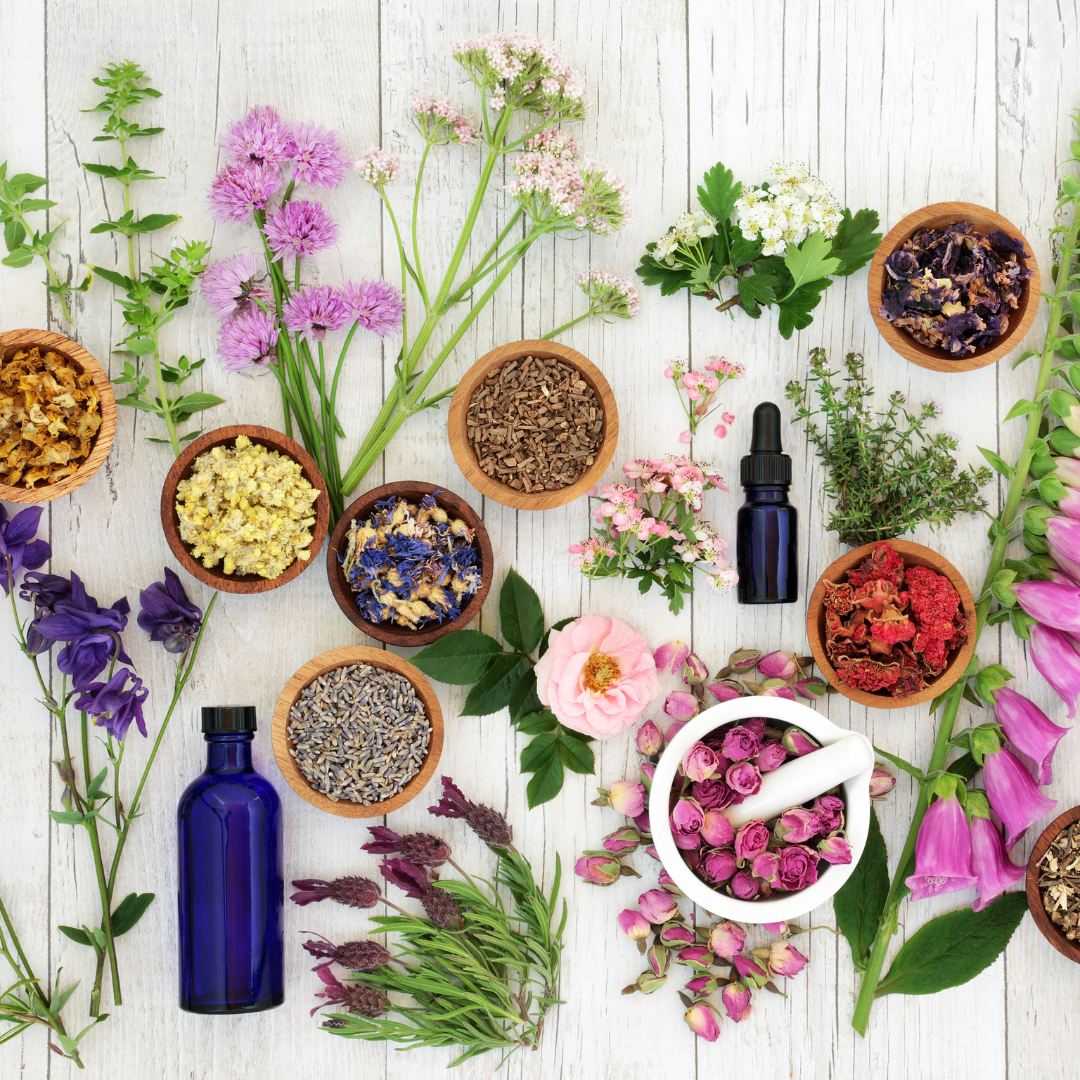
Herbalism, Holistic Living, Holistic Practitioners, Mindfulness, Nutrition, Wellness

As summer temperatures soar, it’s essential to stay mindful of our hydration and electrolyte balance, especially during a heat advisory. Dehydration and electrolyte imbalances can lead to fatigue, dizziness, and more serious health issues, but with a holistic approach, you can keep your body nourished, energized, and resilient in the heat.

Understanding the Importance of Hydration

Water is the foundation of life. It supports every function in the body, from regulating temperature to aiding digestion and flushing out toxins. During a heat advisory, your body loses more water through sweat, making it crucial to replenish fluids regularly. However, hydration isn’t just about drinking water; it’s about maintaining a balance of electrolytes—minerals like sodium, potassium, magnesium, and calcium—that are essential for nerve function, muscle contractions, and overall cellular health.

Signs of Dehydration and Electrolyte Imbalance

It’s important to recognize the signs that your body might be dehydrated or experiencing an electrolyte imbalance. Some common symptoms include:

  • Thirst and dry mouth
  • Dizziness or lightheadedness
  • Fatigue or weakness
  • Muscle cramps
  • Headaches
  • Nausea

If you experience any of these symptoms, it’s a signal from your body that it needs immediate attention.

Holistic Tips for Staying Hydrated and Balanced

  1. Start Your Day with Hydration: Begin each morning with a glass of water to jumpstart your hydration. For added benefits, consider adding a pinch of Himalayan sea salt or a squeeze of fresh lemon juice to support electrolyte balance.
  2. Drink Mineral-Rich Water: Opt for spring water or water filtered with systems like Propur, Berkey, or Pure Effects, which retain essential minerals. These minerals are vital for maintaining your body’s electrolyte balance, especially in hot weather.
  3. Incorporate Hydrating Foods: Mother Nature provides us with plenty of hydrating foods. Water-rich fruits and vegetables like cucumbers, watermelon, strawberries, celery, and leafy greens can help replenish fluids and provide essential vitamins and minerals.
  4. Boost Electrolytes with Natural Sources: Include foods high in electrolytes in your diet, especially during a heatwave:
    • Sodium: Add a pinch of Celtic sea salt or grey salt to your meals or homemade electrolyte drinks.
    • Potassium: Enjoy potassium-rich foods like avocados, bananas, tomatoes, and coconut water (ensure it’s unsweetened).
    • Magnesium: Incorporate spinach, pumpkin seeds, almonds, and dark chocolate into your diet.
    • Calcium: Include sources like sardines, yogurt, and leafy greens.
  5. Herbal Teas for Hydration: Herbal teas such as peppermint, hibiscus, or stinging nettle are excellent for hydration and offer additional cooling and nourishing properties. Enjoy them iced for a refreshing drink.
  6. Make Your Own Electrolyte Drink: Create a simple, natural electrolyte drink by mixing water with a pinch of sea salt, a tablespoon of honey or maple syrup, and the juice of half a lemon or lime. This homemade solution helps replenish lost electrolytes without the added sugars and artificial ingredients found in many commercial sports drinks.
  7. Listen to Your Body: Pay attention to your body’s signals. If you’re thirsty, don’t delay drinking water. However, don’t wait until you’re parched—sip water throughout the day to stay ahead of dehydration.
  8. Rest and Cool Down: Avoid strenuous activities during the hottest part of the day. If you’re outside, seek shade and rest frequently. Cooling your body down with a cold compress or a cool shower can also help regulate your body temperature.
  9. Consider Herbal Supplements: If you’re prone to electrolyte imbalances, certain herbal supplements, like coconut water powder or trace mineral drops, can be added to your water to enhance hydration and mineral intake.

The Mind-Body Connection

In holistic health, we recognize that our physical well-being is deeply connected to our emotional and mental states. The stress of high temperatures can also impact your hydration status. Practices such as meditation, deep breathing, and spending time in nature (preferably in cooler, shaded areas) can help reduce stress and support overall hydration.

Maintaining hydration and electrolyte balance during a heat advisory is vital for your health and well-being. By adopting a holistic approach that includes mineral-rich water, hydrating foods, natural electrolyte sources, and mindful practices, you can keep your body balanced, energized, and resilient, no matter how high the temperature climbs. Remember, your body is your greatest ally—listen to its needs, nourish it well, and it will serve you beautifully through the hottest days of summer.

Herbalism, Holistic Living, Mindfulness, Nutrition, Wellness

July has been a remarkable month in our journey as mineral balancing practitioners. From addressing complex health issues such as diabetes and constipation to rebuilding digestive enzymes and guiding upcoming practitioners, the passion and dedication within our community have continued to flourish.

Tackling Diabetes with Mineral Balancing

Diabetes is a challenging condition that affects millions worldwide. As practitioners, we’ve focused on the role of mineral imbalances in blood sugar regulation. By incorporating mineral balancing protocols, we’ve witnessed significant improvements in our clients’ glucose levels, energy, and overall well-being. This holistic approach not only addresses the symptoms but also targets the root causes, offering a sustainable path to health.

Overcoming Constipation: A Holistic Approach

Constipation is a common yet often overlooked issue that can lead to various health complications. Throughout July, we’ve utilized mineral balancing to help clients achieve regular bowel movements and improved gut health. By restoring the balance of key minerals such as magnesium and potassium, we’ve provided relief and enhanced the quality of life for many. Our holistic methods ensure that clients experience long-term benefits rather than temporary fixes.

Rebuilding Digestive Enzymes for Optimal Health

Digestive health is at the core of overall well-being. This month, our focus on rebuilding digestive enzymes has been particularly rewarding. Digestive enzymes are crucial for nutrient absorption and overall digestive function. By identifying and correcting mineral deficiencies, we’ve helped clients restore their digestive enzyme levels, leading to better digestion, reduced bloating, and increased vitality.

Guiding the Next Generation of Practitioners

One of the most fulfilling aspects of our work is mentoring upcoming practitioners. This July, we’ve had the privilege of guiding many passionate individuals who are eager to make a difference in the field of holistic health. Through workshops, one-on-one mentorship, and hands-on training, we’ve shared our knowledge and experience, fostering a new generation of skilled and compassionate practitioners.

The Ever-Growing Fire of Our Calling

The calling to be a practitioner is not just a career; it’s a passion and a way of life. This month has been a testament to that fire within us. The successes we’ve achieved, the lives we’ve touched, and the practitioners we’ve inspired have all contributed to a deep sense of fulfillment and purpose. The drive to help others heal and thrive continues to grow stronger, motivating us to keep pushing forward.

Looking Ahead

As we move forward, the lessons and experiences of July will continue to shape our practice. The journey of mineral balancing is ever-evolving, and we are committed to staying at the forefront of holistic health. Thank you for being a part of this incredible journey. Here’s to continued growth, healing, and the unwavering passion that defines us as practitioners.

Herbalism, Holistic Living, Mindfulness, Nutrition, Wellness

Discover Your Path to Holistic Healing with the Deepening Roots Program

Hello Ginger Rose Wellness Family!

Have you ever dreamed of becoming a holistic practitioner or nutritionist, helping others achieve balance and well-being through natural methods? We’re excited to share with you our Deepening Roots Program, a transformative journey designed to equip you with the knowledge and skills to excel in the world of holistic health.

Why Choose the Deepening Roots Program?

At Ginger Rose Wellness, we believe in the power of holistic healing. Our program is more than just a course—it’s a community of like-minded individuals passionate about making a difference. Here’s what makes our program special:

  1. Foundations in Holistic Medicine: Start with a comprehensive understanding of holistic health principles. Learn how to approach wellness by considering the whole person—mind, body, and spirit.
  2. Advanced Herbalism and Functional Lab Testing: Dive deep into the art of herbalism and learn to use functional lab tests, including Hair Tissue Mineral Analysis (HTMA), to uncover and address the root causes of health issues.
  3. Mind, Body, & Spirit Connections: Explore the profound connections between mind, body, and spirit. Discover techniques to help yourself and others achieve true balance and harmony.
  4. Hands-On Practice and Business Development: Get practical experience with hands-on training sessions. Plus, learn essential business strategies to successfully establish and grow your own holistic practice.
  5. Ethics and Safety in Herbal Practices: Understand the ethical considerations and safety protocols necessary to practice responsibly and effectively.
  6. Community Support and Certification: Benefit from the support of a nurturing community of peers and mentors. Upon completion, you’ll earn certifications as a holistic practitioner, HTMA practitioner, and holistic nutritionist.

What Our Students Say

Our students often share how the Deepening Roots Program has changed their lives. Here’s a glimpse of their experiences:

“Joining the Deepening Roots Program was one of the best decisions I’ve ever made. The comprehensive curriculum and the supportive community have been incredible. I now feel confident in my ability to help others on their wellness journey.” – Taylor

Ready to Start Your Journey?

If you’re passionate about holistic health and eager to help others, the Deepening Roots Program is for you. Whether you’re looking to start a new career or deepen your knowledge, this program offers the tools and support you need to succeed.

Join us and become part of a community dedicated to holistic healing. Let’s embark on this journey together and make a positive impact on the world, one step at a time.

For more information and to enroll, click here.

Warmly,

Caryn
Ginger Rose Wellness

P.S. If you have any questions or need more details, don’t hesitate to reach out. We’re here to help you every step of the way!

Herbalism, Holistic Living, Mindfulness, Nutrition, Wellness

The Calling of a Holistic Healer

Being a holistic healer is not just a profession; its a calling. The path is often laden with challenges, but the rewards are immeasurable. Every day, I witness the profound transformation in my clients as they embark on their journeys toward health and well-being. This connection with clients is the heartbeat of my practice, fueling my passion and dedication.

Connecting with Clients

One of the most fulfilling aspects of being a holistic healer is the deep connection I form with my clients. Its more than just a consultation; its a partnership. Together, we explore the root causes of their health issues, and through personalized care, we navigate the road to recovery. Seeing clients regain their vitality, joy, and zest for life is a testament to the power of holistic healing.

The Rewards of Transformation

Watching clients transform is incredibly rewarding. Their stories of growth and healing are inspiring. From overcoming chronic conditions to achieving emotional balance and finding joy in daily life, the changes I witness are profound. Each success story reaffirms the importance of holistic healing and motivates me to continue this meaningful work.

The Road to Success: Challenges and Triumphs

The journey to becoming a successful holistic healer hasnt been easy. It requires dedication, continuous learning, and unwavering commitment. There have been hurdles along the way, but each challenge has taught me invaluable lessons and strengthened my resolve. The triumphs, however, far outweigh the struggles. Knowing that I play a part in my clients healing journeys makes every effort worthwhile.

For Aspiring Healers: Deepening Roots

If you aspire to be a holistic healer and are unsure where to begin, let me introduce you to Deepening Roots. This program was crafted to provide a solid foundation in holistic healing, offering the knowledge and tools needed to start your journey. It paves the path to a fruitful career, guiding you through the principles and practices that are essential for success in this field.

Final Thoughts

Holistic healing is a beautiful and rewarding journey. Its about more than just addressing symptoms; its about nurturing the whole person mind, body, and spirit. If you feel the call to become a holistic healer, know that you are embarking on a path filled with purpose and fulfillment. Embrace the challenges, cherish the successes, and always remember the profound impact you have on the lives of those you touch.

In this journey, you will not only help others find their way back to health and happiness, but you will also discover your own growth and joy. Welcome to the world of holistic healing where every step you take brings you closer to making a difference in the world.

Herbalism, Mindfulness, Nutrition, Wellness

The lymphatic system is a crucial part of our body’s immune and detoxification processes. It helps to remove toxins, waste, and other unwanted materials from the body while transporting white blood cells to fight infections. Keeping this system in good working order is essential for overall health. Certain herbs can play a significant role in supporting and enhancing lymphatic movement, aiding in the body’s natural detox processes.

Here are some powerful herbs known for their lymphatic benefits:

1. Red Clover (Trifolium pratense)

Red clover is a gentle yet effective herb that supports lymphatic drainage and detoxification. It helps to purify the blood and enhance the flow of lymphatic fluid, making it easier for the body to eliminate toxins.

How to Use: Red clover can be consumed as a tea, tincture, or capsule. For tea, steep 1-2 teaspoons of dried red clover flowers in hot water for 10-15 minutes.

2. Cleavers (Galium aparine)

Cleavers, also known as “sticky weed” or “goosegrass,” is a well-known lymphatic tonic. It promotes the drainage of lymphatic fluids, reduces swelling, and can help to clear congested lymph nodes.

How to Use: Cleavers can be made into a tea or tincture. For tea, use 1 tablespoon of dried cleavers in a cup of hot water and steep for 10 minutes. Its also often used in fresh-pressed juice form.

3. Echinacea (Echinacea purpurea)

Echinacea is famous for its immune-boosting properties, but it also has powerful lymphatic benefits. It stimulates lymphatic drainage and supports the removal of toxins from the lymph system.

How to Use: Echinacea can be taken as a tea, tincture, or capsule. For tea, use 1-2 teaspoons of dried echinacea root or herb in a cup of hot water and steep for 15 minutes.

4. Calendula (Calendula officinalis)

Calendula, or marigold, is a gentle herb with anti-inflammatory and lymphatic-supportive properties. It helps to stimulate lymphatic drainage and reduce swelling and inflammation in the lymphatic system.

How to Use: Calendula can be consumed as a tea or tincture. For tea, steep 1-2 teaspoons of dried calendula flowers in hot water for 10-15 minutes.

5. Dandelion (Taraxacum officinale)

Dandelion is a potent herb that supports liver function and enhances lymphatic flow. Its diuretic properties help to flush out toxins from the body, making it an excellent herb for detoxification.

How to Use: Dandelion root or leaves can be used in teas or tinctures. For tea, steep 1-2 teaspoons of dried dandelion root in hot water for 10-15 minutes.

6. Ginger (Zingiber officinale)

Ginger is a warming herb that stimulates circulation and lymphatic flow. It helps to break down toxins and enhance the overall detoxification process.

How to Use: Ginger can be consumed as a tea, added to meals, or taken as a supplement. For tea, steep 1-2 teaspoons of freshly grated ginger root in hot water for 10-15 minutes.

7. Burdock Root (Arctium lappa)

Burdock root is renowned for its detoxifying properties and its ability to enhance lymphatic function. It helps to purify the blood, support the liver, and stimulate lymphatic drainage.

How to Use: Burdock root can be consumed as a tea, tincture, or in capsule form. For tea, steep 1-2 teaspoons of dried burdock root in hot water for 10-15 minutes.

8. Slippery Elm (Ulmus rubra)

Slippery elm is known for its soothing and anti-inflammatory properties. It can help to reduce inflammation in the lymphatic system and support overall digestive health, which is closely linked to lymphatic function.

How to Use: Slippery elm is commonly taken as a tea or in powder form. For tea, mix 1 teaspoon of slippery elm powder with hot water and stir well.

9. Astragalus Root (Astragalus membranaceus)

Astragalus root is a powerful adaptogen that supports the immune system and enhances lymphatic function. It helps to increase the flow of lymphatic fluid and improve the body’s resistance to stress and illness.

How to Use: Astragalus root can be consumed as a tea, tincture, or in capsule form. For tea, steep 1-2 teaspoons of dried astragalus root in hot water for 10-15 minutes.

Incorporating these herbs into your routine can significantly support your lymphatic system and overall health. Whether you choose to drink them as teas, take tinctures, or incorporate them into your diet, these herbs offer natural and effective ways to promote lymphatic movement and detoxification. As always, consult with a holistic practitioner before starting any new herbal regimen, especially if you have underlying health conditions or are taking other medications.

Take a step towards better health by supporting your lymphatic system with these wonderful herbs, and let your bodys natural detoxification processes thrive!

Herbalism, Wellness

In the quest for optimal gut health, herbal infusions stand out as a simple yet powerful tool. Today, well explore the benefits of an overnight herbal infusion featuring marshmallow root, peppermint, and calendula three potent herbs known for their digestive benefits.

Why Choose an Herbal Infusion?

Herbal infusions are a fantastic way to extract the maximum benefits from herbs. Unlike teas, which are typically steeped for a few minutes, infusions are left to steep for several hours, allowing more of the plant’s nutrients and medicinal properties to be released. This makes them an excellent choice for those looking to support their digestive system naturally.

Ingredients and Benefits

1. Marshmallow Root: This herb is celebrated for its mucilaginous properties, meaning it creates a soothing gel-like substance when mixed with water. This can help coat and protect the lining of the digestive tract, reducing inflammation and promoting healing.

2. Peppermint: Known for its calming and anti-spasmodic effects, peppermint can help relieve digestive discomfort, reduce bloating, and support overall gut health.

3. Calendula: With its anti-inflammatory and antimicrobial properties, calendula can help soothe the digestive tract, reduce inflammation, and support the healing of gut tissues.

How to Make an Overnight Herbal Infusion

Ingredients:

  • 1 tablespoon dried marshmallow root

  • 1 tablespoon dried peppermint leaves

  • 1 tablespoon dried calendula flowers

  • 1 quart of filtered water

  • A quart-sized glass jar with a lid

Instructions:

1. Prepare the Herbs: Measure out 1 tablespoon each of dried marshmallow root, peppermint leaves, and calendula flowers. Place them into your quart-sized glass jar.

2. Add Water: Pour one quart of filtered water over the herbs. Ensure the water is at room temperature to preserve the delicate properties of the herbs.

3. Steep Overnight: Secure the lid on the jar and let it sit at room temperature overnight, or for at least 8 hours. This allows the herbs to fully infuse into the water.

4. Strain and Enjoy: In the morning, strain the herbs from the liquid using a fine mesh strainer or cheesecloth. Your herbal infusion is now ready to drink! You can enjoy it at room temperature or slightly warmed.

Why This Combination?

  • Soothing: Marshmallow root and calendula work together to soothe and heal the digestive tract, making this infusion particularly beneficial for those with inflammatory conditions like gastritis or irritable bowel syndrome (IBS).

  • Calming: The addition of peppermint helps to calm the digestive system, reducing symptoms like gas, bloating, and cramping.

  • Healing: Calendulas healing properties support the repair of the gut lining, which is essential for overall digestive health and nutrient absorption.

Incorporating Herbal Infusions into Your Routine

Making herbal infusions a part of your daily routine can be a simple and effective way to support gut health. Try to incorporate this marshmallow root, peppermint, and calendula infusion into your regimen a few times a week. Not only is it beneficial, but its also a delightful, soothing drink to start your day.

Supporting your gut health doesn’t have to be complicated. With the power of herbs like marshmallow root, peppermint, and calendula, you can create a nourishing infusion that promotes healing, reduces inflammation, and calms your digestive system. Give this overnight herbal infusion a try and experience the benefits for yourself. Your gut will thank you!

Herbalism, Holistic Living, Nutrition, Wellness

Green tea, revered for centuries in cultures around the world, has become a staple in modern wellness routines. This humble beverage, derived from the leaves of the Camellia sinensis plant, offers a myriad of health benefits that can enhance both physical and mental well-being. Lets delve into the remarkable advantages of incorporating green tea into your daily life.

1. Rich in Antioxidants

Green tea is packed with powerful antioxidants, particularly catechins, which are known for their ability to combat oxidative stress. These antioxidants help protect cells from damage caused by free radicals, reducing the risk of chronic diseases and promoting overall health.

2. Enhances Brain Function

One of the standout compounds in green tea is caffeine, but in a more moderate amount compared to coffee. This balanced caffeine content, combined with an amino acid called L-theanine, can improve brain function. L-theanine increases the activity of inhibitory neurotransmitters, which has anti-anxiety effects, while caffeine enhances alertness. Together, they can boost cognitive function, mood, and even memory.

3. Supports Weight Loss

For those on a weight loss journey, green tea can be a helpful companion. The catechins in green tea have been shown to increase fat burning and boost metabolic rate. Drinking green tea regularly can enhance the body’s ability to burn calories, making it a natural and effective addition to weight management plans.

4. Promotes Heart Health

Regular consumption of green tea is linked to improved cardiovascular health. The antioxidants in green tea help lower LDL cholesterol levels and improve blood flow, which can reduce the risk of heart disease and stroke. Additionally, green tea has been found to help maintain healthy blood pressure levels.

5. Supports Oral Health

Green tea contains natural fluoride, catechins, and polyphenols, which are beneficial for oral health. These compounds help inhibit the growth of bacteria and viruses that cause dental issues, such as cavities and gum disease. Drinking green tea can thus contribute to fresher breath and a healthier mouth.

6. Enhances Skin Health

The antioxidants and anti-inflammatory properties of green tea can benefit your skin as well. Green tea can help reduce acne, protect against sun damage, and slow down the aging process. Incorporating green tea into your skincare routine, either by drinking it or applying it topically, can lead to a clearer, more youthful complexion.

7. May Lower Cancer Risk

The high antioxidant content in green tea has been linked to a lower risk of certain types of cancer. Studies suggest that the catechins in green tea can help protect against cellular damage and inhibit the growth of cancer cells. While more research is needed, drinking green tea regularly may contribute to cancer prevention.

8. Boosts Immune System

Green tea can strengthen the immune system thanks to its rich array of antioxidants and nutrients. These compounds help the body fight off infections and illnesses more effectively. Drinking green tea regularly can enhance your body’s natural defenses and keep you healthier in the long run.

9. Improves Digestive Health

Green tea has been known to aid in digestion and support gut health. The polyphenols in green tea can help reduce inflammation in the digestive tract and promote the growth of good bacteria. This can lead to better digestion, reduced bloating, and overall improved gastrointestinal health.

10. Provides Hydration

Staying hydrated is essential for overall health, and green tea is an excellent way to keep your body hydrated. Unlike sugary beverages, green tea offers hydration without added calories or artificial ingredients. Its light, refreshing taste can make it a pleasant alternative to water.

Incorporating green tea into your daily routine can offer numerous health benefits, from boosting brain function and supporting weight loss to promoting heart health and enhancing skin vitality. With its rich antioxidant content and various bioactive compounds, green tea is truly a remarkable beverage that can contribute to your overall well-being. So, brew yourself a cup and enjoy the myriad of benefits that green tea has to offer!

Herbalism, Holistic Living, Mindfulness, Nutrition, Wellness

In the whirlwind of our fast-paced lives, stress has become a frequent, unwelcome guest, affecting our well-being. Turning to nature offers a gentle, effective way to manage stress, harmonizing our mind, body, and soul. Holistic herbal healing embraces this natural approach, using herbs to soothe and rejuvenate our entire being. Below, we explore various herbs that promote relaxation and how to moderate their use for balanced health.

Lavender – For a Calm Mind

Lavender, with its ethereal fragrance, is a well-known relaxant, effective in calming the mind and easing anxiety. Inhaling lavender oil or enjoying a cup of lavender tea before bedtime can significantly improve sleep quality and reduce stress levels.

Chamomile – Gentle Nurturer for the Body

Chamomile, often referred to as ‘Mother Nature’s relaxant,’ possesses potent anti-inflammatory and relaxing properties, making it ideal for calming both the body and mind. A warm cup of chamomile tea can alleviate physical tension and soothe digestive upsets, often linked to stress.

Ashwagandha – Revitalizing the Vital Forces

Ashwagandha, a powerful adaptogen, helps the body withstand stress by rejuvenating the adrenal glands and balancing cortisol levels. It fosters emotional well-being, contributing to a serene mind and a resilient body. Moderate consumption, however, is crucial as excessive intake can disrupt hormonal balance.

Holy Basil (Tulsi) – Protecting the Spirit

Revered in Ayurveda, Holy Basil supports stress adaptation and enhances spiritual clarity. Drinking Tulsi tea can help clear the aura, uplift spirits, and steady the mind, creating a sanctuary of peace within.

Passionflower – A Balm for Restlessness

Especially beneficial for those who experience anxiety and restlessness, Passionflower induces relaxation without drowsiness, promoting tranquil sleep. Its sedating effect on the nervous system makes it an excellent herb for nurturing a peaceful state of being.

While herbs offer a gentle approach to stress management, moderation is foundational to holistic healing. Each individual reacts differently to herbs, so it’s important to start with smaller doses and observe the body’s response. Consulting with a holistic practitioner, particularly if you’re pregnant, nursing, or on medication, ensures safe and effective use.

Integrating these herbs into daily routines can significantly impact our well-being. Holistic herbal healing isn’t just about physical health; it’s about nurturing a harmonious relationship between our mind, body, and soul. Creating moments of mindfulness, whether through a quiet cup of herbal tea or aromatic inhalations, invites peace into our lives.

In embracing holistic herbal healing for stress management, we recognize the profound connection between ourselves and the natural world. By harnessing the subtle powers of herbs, we journey toward a balanced, serene existence, where stress is not a burden but a signal reminding us to slow down and reconnect with nature’s healing embrace.

Herbalism, Holistic Living, Mindfulness, Nutrition, Wellness

NOW ENROLLING!

Mother Earth provides a wealth of resources, including living plants that help us to maintain our health and wellness. These plants provide balance and healing properties to repair our bodies. Herbalists seek whole health in mind, body, and spirit, treating the whole person and not just the ailment or disease in order to create the desired state of whole health. Of course herbal treatment should always be used in conjunction with solid dietary choices, exercise, and stress reduction techniques.

Our Herbal Medicine Making Course will offer live virtual instruction on how to work start to finish to craft a variety of herbal remedies. Supplies for each remedy will be provided in your class materials kit; this will allow a deeper hands-on experience.

Enrollment closes July 1, 2023. Class begins on July 10, 2023. Class is scheduled every Monday beginning July 10th through August 28th from 6:30 – 8:00p.

Ginger Rose Wellness Members interested in completing the course may purchase their Herbal Medicine Kit below.

Herbalism

Leave a Reply

Your email address will not be published. Required fields are marked *